
Wednesday, 4 November 2020
DJI Mini 2 drone camera unveiled with one huge upgrade

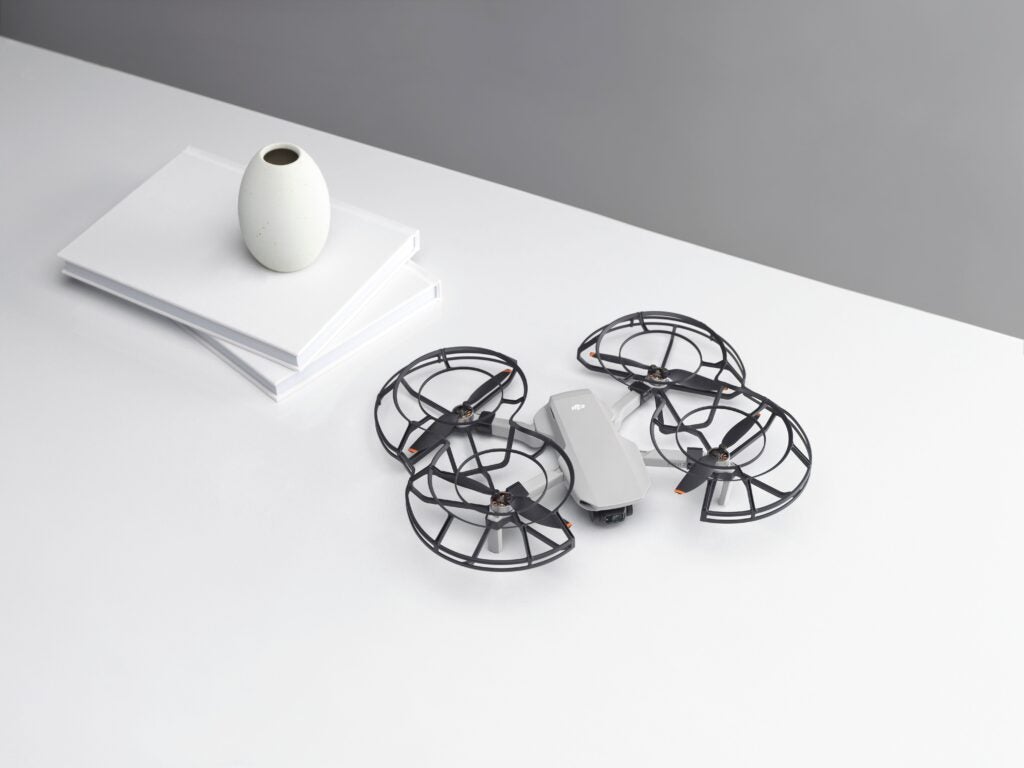
The follow up to the superb DJI Mavic Mini, the DJI Mini 2 boasts 4K video recording in a foldable design that weighs just under 249g.
Trumping the Mavic Mini’s highest output of 2.7K, the Mini 2 can handle 4K footage in 30fps and 100Mbps. The small stature of the drone means that it will not need to be registered by the user in the UK, although this will change from December 31 when new drone legislation comes into effect.
Packing DJI’s new OcuSync 2.0 technology, the Mini 2 now features a dual-frequency set-up to improve the communication range during everyday use. According to DJI, these upgrades will account for a maximum range of 6km, a staggering 150% increase over what was capable with the Mavic Mini.
Related: Best Cameras
Battery life will remain largely unchanged on the Mini 2, having a potential flight time of up to 31 minutes (compared to the 30 minutes offered by the Mavic Mini). Users will also have the chance to get even closer to their subjects thanks to 2x lossless zoom, and up to 4x zoom with the digital zoom applied.
Notably missing from the Mini 2’s feature set is Active Track – DJI’s object and facial tracking technology that takes all the hard work out of filming, particularly for vloggers. The feature is available on DJI’s more expensive drones however, like the DJI Mavic Air 2.
Commenting on the Mini 2’s reveal, DJI President Roger Luo detailed: “Mavic Mini was a monumental breakthrough for DJI and for drone pilots across the world, as its unprecedented combination of weight, safety, performance, and overall value became the entry point for countless new drone pilots and fans. DJI Mini 2 enhances those key aspects, packing larger drone performance in an approachable, small design in the safest drone category that is perfect for beginners and will also impress more experienced pilots.”
Related: DJI Pocket 2
The DJI Mini 2 is now available for purchase, retailing at £419/€469. Stay tuned to Trusted Reviews for our full verdict on DJI’s latest miniature drone.
The post DJI Mini 2 drone camera unveiled with one huge upgrade appeared first on Trusted Reviews.
from Trusted Reviews https://ift.tt/362ErH6
Sunday, 1 November 2020
Winners and Losers: AMD reveals Big Navi and Nvidia suffers stock woes

Has there ever been a busier week in the gaming industry? We certainly don’t think so.
Firstly social media was awash with unboxing videos for the PS5 and Xbox Series X consoles, as various journalists and streamers confirmed they’ve received their review units (you can see our PS5 unboxing and Xbox Series X unboxing for yourself). That may make it even more frustrating for those waiting for their pre-ordered console to arrive, but at least it’s a reminder we’re now just a matter of days away from release.
We also heard the unfortunate news that CyberPunk 2077 has been delayed. Fortunately it only fell back to 10 December, so we still don’t have to wait long for the promising sci-fi RPG. And if the critically acclaimed Witcher 3 is anything to be by – which was also developed by CD Projekt RED – then CyberPunk 2077 will be worth the wait.
However, there’s been even more revelations in the past seven days in the gaming industry. Who was our winner and loser? Find out by scrolling down.
Related: AMD Radeon RX 6900 XT
Winner: AMD
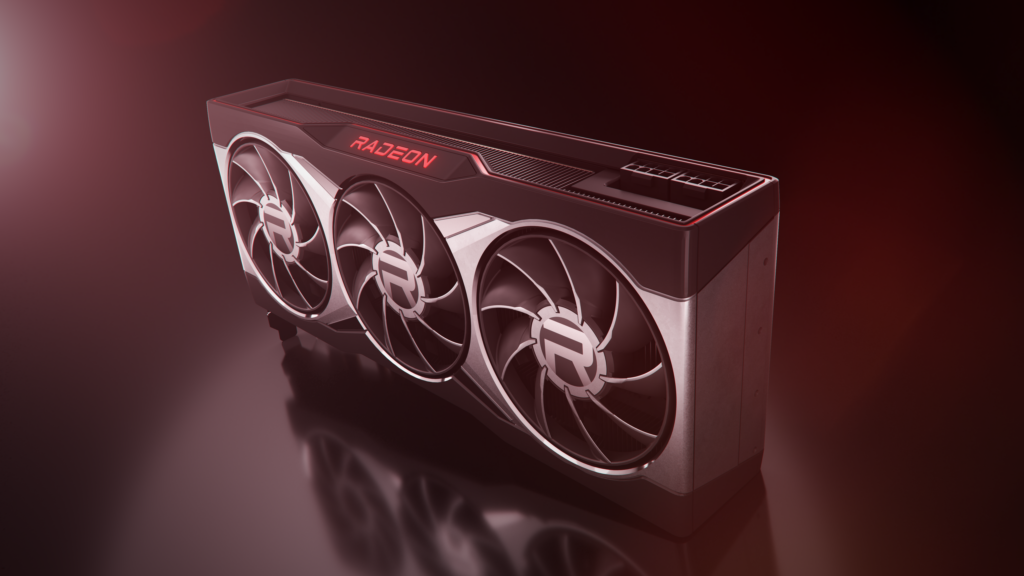
It’s not just the consoles that are entering new generations. PC gamers will also be tempted to upgrade their hardware this year, as AMD revealed its Big Navi graphics cards as direct competitors to Nvidia’s 30-Series range.
While AMD is traditionally known for offering budget alternatives to Nvidia’s graphics cards, this time it didn’t hold back, launching the $999 RX 6900 XT card which is reportedly offering a similar performance to Nvidia’s juggernaut RTX 3090.
AMD also revealed the RX 6800 and RX 6800 XT cards, both of which are capable of 4K resolutions and offer support for DirectX RayTracing. Ray tracing is arguably still in its infancy so there are still only a handful of compatible games, but AMD confirmed both Far Cry 6 and The RiftBreaker will offer support.
While we’re reserving final judgement until we test these new graphics cards for ourselves, the early signs are looking very promising. AMD claims the RX 6900 XT is capable of hitting up to a whopping 150fps for Doom Eternal in 4k and 102fps for Call of Duty: Modern Warfare. For the time ever, AMD’s Radeon cards are a genuinely good option for 4K gaming.
October has been a very successful month for AMD overall, with the company only recently showcasing its upcoming Ryzen 5000 desktop processors. While we’re again reserving judgement for the final reviews, these new chips look to be serious challengers to Intel’s offering, with AMD hoping to dominate the market for PC gaming components for the foreseeable future.
Related: Nvidia RTX 3070 Review
Loser: Nvidia
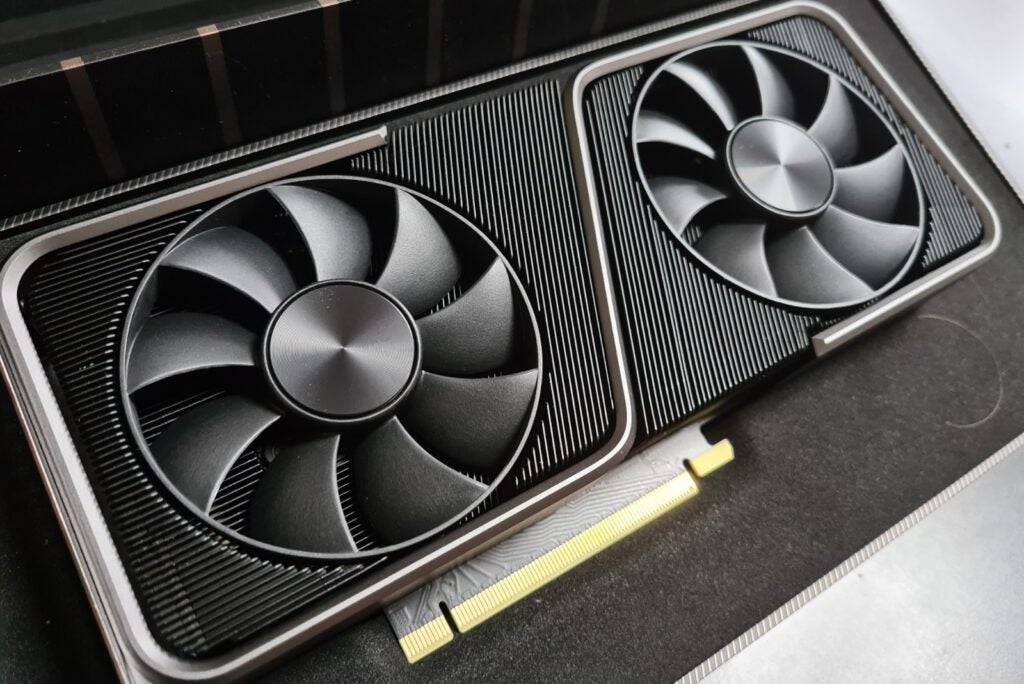
Nvidia arguably had the advantage in this graphics card contest, announcing the RTX 30 Series over a month before we got a real look at AMD’s Big Navi. The new graphics cards look ace too, as we awarded the RTX 3070 a 5-star score in our in-depth review. Nvidia had everything going in its favour, yet it still managed to slightly wrong.
There’s nothing wrong with the graphics cards themselves, but Nvidia has unfortunately encountered numerous stock issues for all the launches of its new RTX cards, making it incredibly difficult for gamers to get a hold of one.
Nvidia previously apologised for the lack of stock for the RTX 3080 launch, and pushed back the launch of the RTX 3070 to make sure the same problems wouldn’t reoccur. Sadly, these steps didn’t seem to be enough, as the RTX 3070 is now seemingly out of stock at every major retailer.
To make matters even worse, the average price of third-party RTX 3070 graphics cards looks to be way over the £469 cost of the Founder’s Edition. Having a quick scan through Overclockers, every single option cost a fair bit over £500, which doesn’t represent the fantastic value that Nvidia initially suggested.
This leaves AMD with a perfect opportunity to persuade Nvidia fans to make the transition over to the red team, especially with the competitive prices of the RX 5900 XT, RX 5800 XT and RX 5800. Of course, this all depends on whether AMD can keep its promise of avoiding similar shortcomings, but it’s still an opportunity that Nvidia will be kicking itself for handing over.
The post Winners and Losers: AMD reveals Big Navi and Nvidia suffers stock woes appeared first on Trusted Reviews.
from Trusted Reviews https://ift.tt/37Ywd5x
Sunday, 18 October 2020
Winners and Losers: iPhone 12 Pro camera wows while talk about lack of chargers bore

Well, what a week that was. The last seven days have given us the new OnePlus 8T, reviews of the latest duo of Pixel phones and even a look at the UI fo the new PS5.
But standing out above all else is the launch of the iPhone 12. Any Apple event is huge, but none gets more interest than a big phone unveiling and this year was no different.
For the first time we’ve got four distinct iPhone models, all varying in sizes and price. There is the dinky 5.4-inch Mini, a vastly improved (when compared to the iPhone 11) iPhone 12 model and two Pro handsets that sit at the top of the line.
While these phones have all seen improvements, from the vastly superior display on the iPhone 12 to the snappy A14 chipset providing the grunt, the cameras on the Pro models truly stand out.
Winners: The drool-worthy camera on the iPhone 12 Pro
Apple seriously improved the ‘standard’ iPhone model this year, switching the display type to OLED and slimming it right down. It even got to the point during the ‘Hi, Speed’ event where I was wondering how the Pro model was going to warrant its extra $200/£200 price-tag. And then they began talking about the camera…
The camera(s) on the iPhone 12 Pro has a lot of serious tech packed inside them, and I can’t wait to get these phones in and start seeing how the cameras compare to competition like the Pixel 5, Samsung Galaxy Note 20 Ultra and whatever Huawei has in store with the Mate 40.
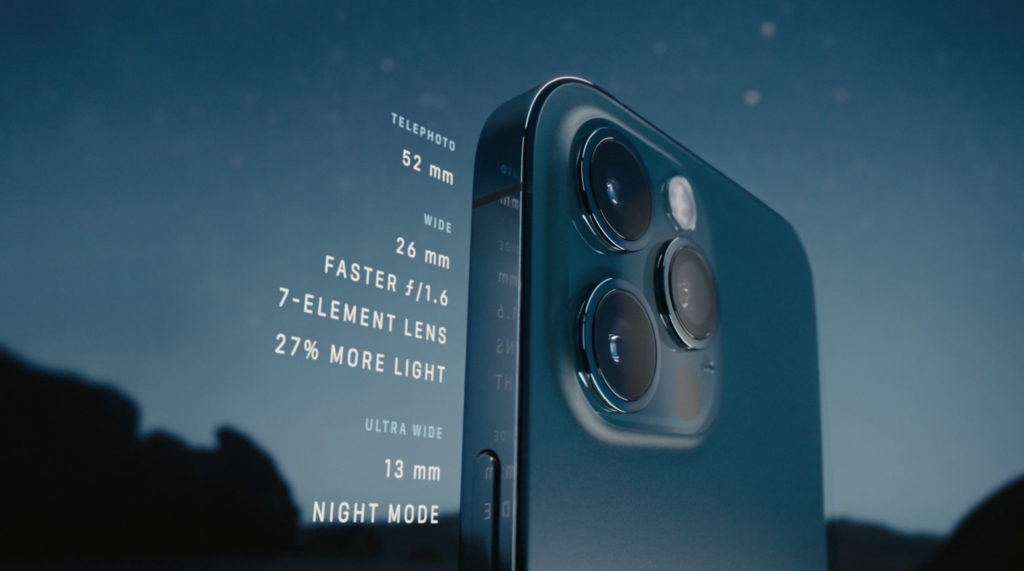
The main wide camera on the iPhone 12 Pro has new wider f/1.6 aperture that Apple says can capture 27% more light, along with the new 7-element lens for improved sharpness and updated OIS. There’s also a new LiDAR 3D sensor, which is already being put to use by EE in its new Matchday experience.
Then there’s the Pro Max model, which Apple says has a 47% larger wide sensor and a new 65mm telephone camera for a much more versatile zoom range. Apple is also using that LiDAR sensor to improved portrait shots and Smart HDR 3 “automatically refines highlights, shadows and colours”.
Related: Best iPhone
And that’s all before video is even mentioned. The iPhone 12 is the first device to be able to shoot Dolby Vision HDR 10-bit video. You can even edit that footage on the phone. Impressive stuff and it seems like the iPhone will once again be king of video.
Loser: Typical comments about Apple ditching the chargers
As had been expected, Apple no longer includes a charger or headphones (apart from in certain countries) with its new iPhones. This move was rumoured for ages and seemed even more likely after it ditched the bricks from the Apple Watch 6. Users will now either have to use an older charger (the phone still comes with a cable) or pick up one of the numerous options available.
The idea is to help Apple towards the goals of ensuring it is 100% carbon neutral by 2030. Apple now will be able to fit 70% more iPhone 12 handsets on a shipping pallet because the product box will be smaller and lighter. Makes sense to us. “We hope others will follow, making this impact even bigger for our planet,” says the leader of Apple’s environmental efforts Lisa Jackson.
Apple has also reduced the pricing of its chargers and earbuds. A Lightning to USB-C adapter is now £19 instead of £29, while EarPods are now £19.
Whether or not you’re in favour of this move, I’m sure we can agree on one thing: it’s boring to see rival brands jump in to ensure us that their phone still comes with the plug. Cheers, guys.
Samsung has popped out an ad ensuring buyers know you’ll still get a charger with your Galaxy, while OnePlus mentioned it during the launch of the 8T.
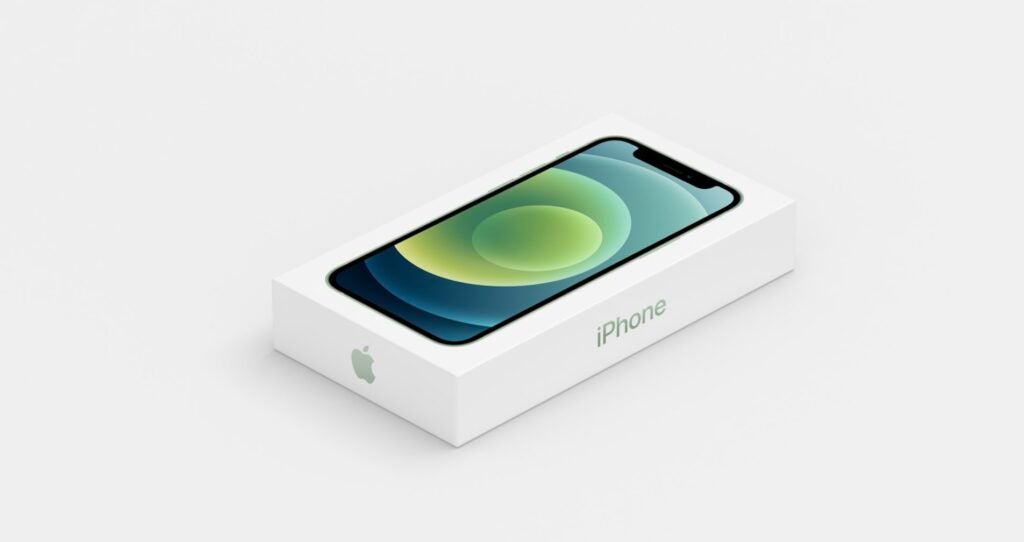
Now, this isn’t anything new and was to be expected. A similar thing happened when Apple ditched the headphone jack and I’m sure we all remember the advert Samsung made mocking the move that was removed when the South Korean brand omitted the port from its own Note 10. Google had a similar ad mocking the removal of the connector, before later making the same move.
Removing items from a box that most people probably already have seems like an ideal solution to reduce waste and I doubt Apple will be the only company to make a similar move.
The post Winners and Losers: iPhone 12 Pro camera wows while talk about lack of chargers bore appeared first on Trusted Reviews.
from Trusted Reviews https://ift.tt/347Y68Q
Wednesday, 14 October 2020
Roberts unveils first ever Bluetooth speaker in the Beacon

British audio brand Roberts Radio is getting into the wireless speaker market with the announcement of its first ever Bluetooth speaker in the Roberts Beacon.
Roberts say the speaker is designed is designed to look as good as it sounds (and it looks very retro). The speaker will launch in two models: the Roberts Beacon 320 and Beacon 330.
Related: Best Bluetooth speakers
Roberts Beacon 320 (£149) will come in Charcoal Grey, Sunburst Yellow, Teal Blue, Midnight Blue or Dusky Pink, while the Beacon 330 (£199) will be sold in a selection of Pastel Cream, Duck Egg, Carbon Black or Berry Red finishes.
Each speaker will boasts a specially selected UK-milled speaker cloth (made in Yorkshire), that Roberts says will help the speaker produce optimal acoustic transparency for the “fullest audio experience”.
That full audio experience is delivered from the unit’s full-range speaker that Roberts claims offers a rich, powerful and clear sound. Also inside are multi-directional dual bass radiators for bringing some more bass to the performance.
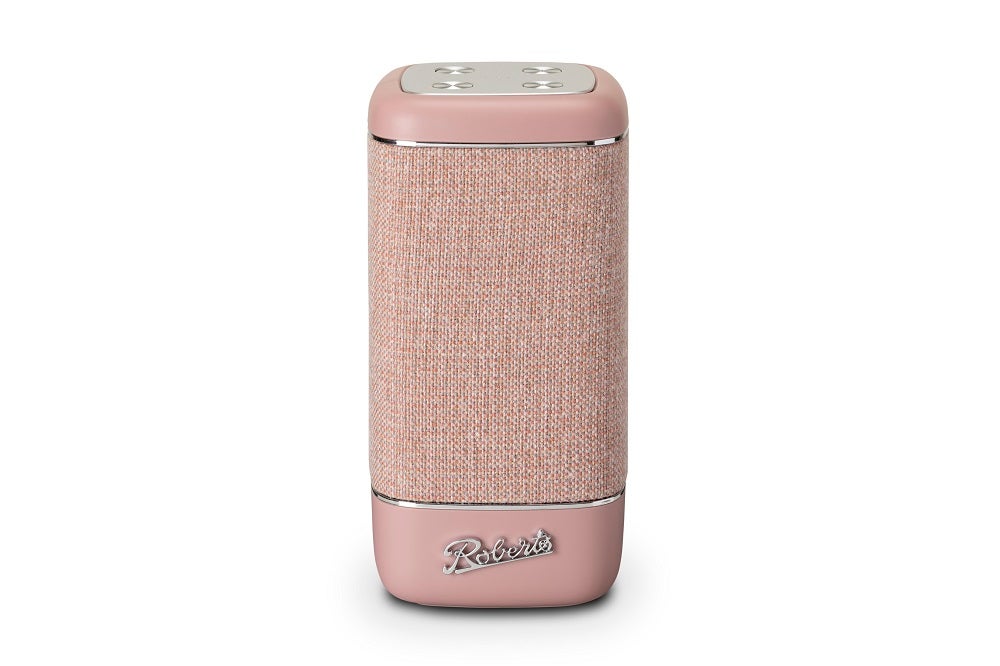
The Beacon 330 model sits at the top of the range, and can offer room-filling sound with its wireless stereo feature that means two Beacon 330 speakers can be connected to each other. Audio settings for the Beacon 330 can be adjusted with its EQ and Bass Boost features.
Battery life for the 320 is 12 hours while the 330 goes a bit further with 15 hours of playback. Both have an Aux input for a wired connection to an external device, while the Beacon 330 has some added features in the shape of fast-charging, multiple pairing over a Bluetooth wireless connection and USB device charging.
Mark Stephenson, Product Manager at Roberts commented: “The Roberts Beacon is designed for homes with character, and for individuals with a unique sense of style, who want to express themselves through design and sounds that excite the senses. The Robert Beacon represents the evolution of our nearly 90-year heritage in British design and creating the highest quality audio experiences.”
The Roberts Beacon range goes on sale in select colours at John Lewis and RobertsRadio.com. The full range launches at Roberts and Amazon on Monday 2nd November.
The post Roberts unveils first ever Bluetooth speaker in the Beacon appeared first on Trusted Reviews.
from Trusted Reviews https://ift.tt/3iYzwve
Sunday, 11 October 2020
Winners and losers: AMD reveals champion chip, and Apple delays device

October is shaping up to be a very busy month in the tech world.
We’ve already seen major launches for the likes of the Microsoft Surface Go 2, while we also have Amazon’s Prime Day and the iPhone 12 launch right around the corner.
This week may seem fairly quiet in comparison, but we’ve still seen pretty huge news announcements, particularly in the computing industry. AMD finally revealed its Ryzen 5000 processors to the world, but why should we be excited?
We’re here to dive into the highs and lows of the week, so without further ado, here are our winners and losers:
Related: AMD Ryzen 5000
Winners: AMD
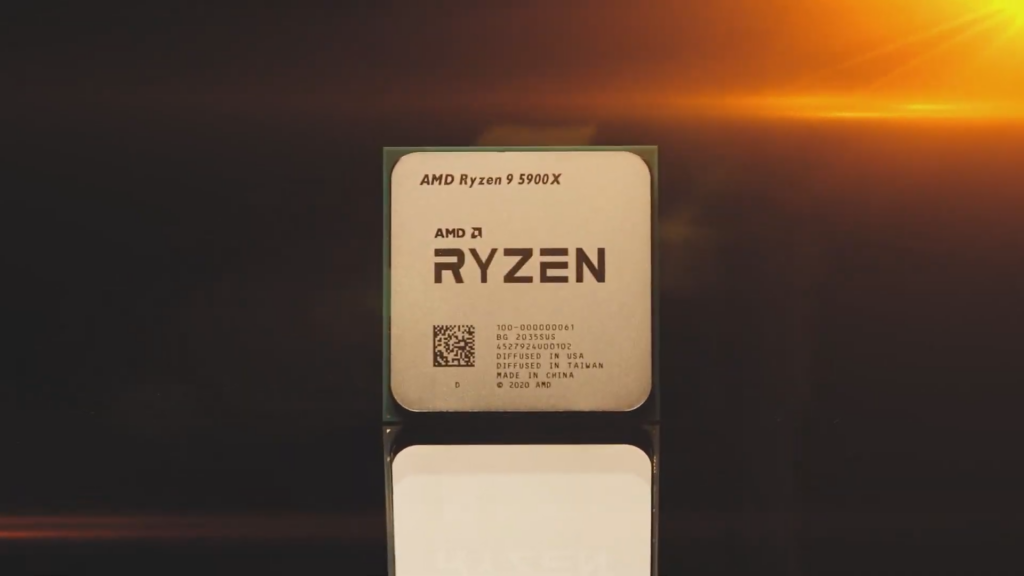
There was no question that AMD was our winner this week. Its reveal of the Ryzen 5000 processors has caused shockwaves throughout the computing industry, with Ryzen now seemingly offering the absolute best CPU performance for both content creation and gaming.
Both the Ryzen 9 5950X and Ryzen 9 5900X processors apparently surpassed the Intel Core i9-10900K in the Cinebench R20 single-threaded test, which is outstanding considering Intel has previously held such a strong dominance in the gaming world.
What’s more, the Ryzen 9 5900X showed that it could boost the performance of Shadow of the Tomb Raider in Full HD by an impressive 40fps when compared to the Ryzen 9 3900X chip. That’s a substantial generational performance leap, especially for a processor.
AMD has long been creeping up on Intel’s high-performance Intel processors, and now it looks like the company has finally reached the pedestal.
However, Intel has already confirmed it will be launching its Rocket Lake desktop processors in the first quarter of 2021, while also confirming it will support PCIe 4.0. This could mean that AMD’s time at the pinnacle won’t last long, but it has still set the bar very high and that has to be applauded.
Related: iPhone 12
Losers: Apple
Putting Apple as a ‘loser’ days before its iPhone 12 launch may seem like an odd decision, but it just proves how high our expectations have grown for the company in recent years. We’re extremely excited for its upcoming announcements, but also can’t help but be disappointed by reports that Apple has pushed the launch of the AirTags back to 2021.
The Apple AirTags have been rumoured for a long time, first reported back in April 2019. The small tracking devices have since been speculated to appear in almost every following Apple event, but are still yet to make an appearance.
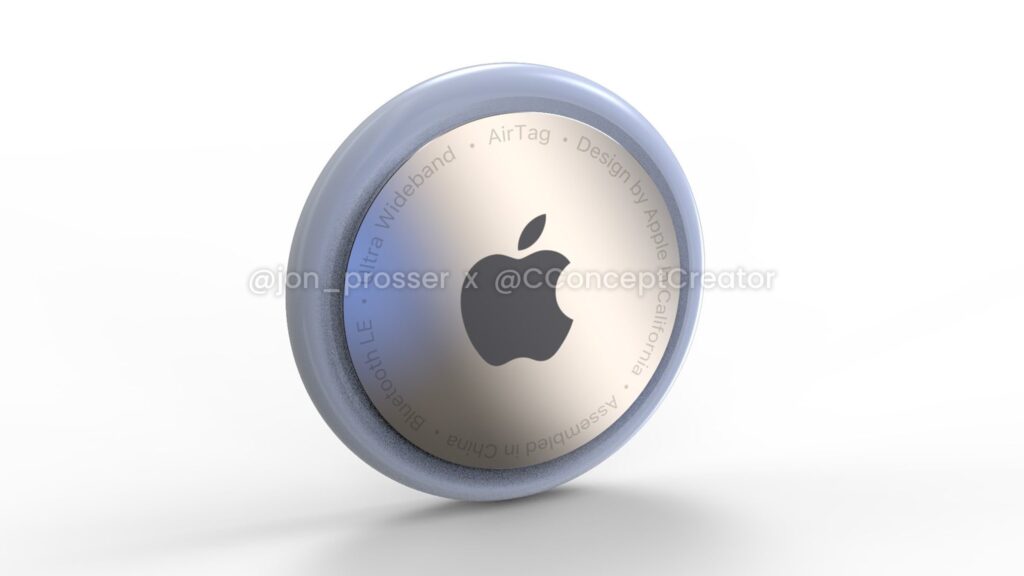
The iPhone 12 launch looked to finally be the day that Tim Cook would reveal the AirTags to the world, but renowned leaker Jon Prosser now suggests they’re been pushed back to March 2021.
Prosser has also offered some details on the AirTags, claiming they will have a white front, and a polished metal back that features the Apple logo. The AirTag is said to act very similar to the Tile devices, allowing you to attach them to your wallet or keys and then track them via GPS if they ever go missing. We assume they’ll work with Apple’s existing Find My software, which helps you track down iPhones, iPads and iMacs.
Delays are always disappointing, especially when a device has been rumoured for such a long time, but there’s still plenty of room for optimism for Apple fans. Not only are we about to see the new iPhone 12, but there’s also speculation that Apple will unveil its MacBook 2020 before the end of October.
The post Winners and losers: AMD reveals champion chip, and Apple delays device appeared first on Trusted Reviews.
from Trusted Reviews https://ift.tt/3k2qy1D
Wednesday, 7 October 2020
Samsung launches its own perfume

Just when you thought that 2020 couldn’t possibly throw any more surprises your way, Samsung has gone and launched its own fragrance to celebrate the launch of its new Ecobubble washing machine. Yes, you did read that right: Samsung has made its own perfume, called Freshly Laundered – Eco Edition.
Just in case the association with washing was missed, the perfume comes in a bottle replica of a washing machine. Oh, and it’s made by Expert perfumer Sarah McCartney, and smells like freshly-laundered washing, too. According to research provided by Samsung, freshly washed laundry is the top scent according to British adults.
To accompany the new fragrance, there’s an advert starring Max Whitlock, the Team GB Olympian, which you can watch below. It’s a homage to the infamous Brad Pitt Chanel No 5 advert. As Samsung explains, Whitlock “sends up some of the industry’s clichés by seductively running his hand over the edge of a washing machine and spraying himself with perfume before sniffing a Union Jack flag”.
Related: Best washing machine
Just in case you were thinking that it’s all a joke, the Freshly Laundered – Eco Edition fragrance will be available to anyone that buys a 2020 Ecobubble washing machine from the Samsung experience space in Kings Cross between 8 and 23 October. I’ve got a bottle, and can confirm that it definitely looks like a washing machine and it does smell like freshly laundered washing. For those that want the details, the fragrance contains four musks that “evoke the smell of a fresh garden and fresh water, paired with aromas of lily of the valley”.
Details of the actual washing machine are slightly thinner on the ground, but the new Ecobubble machines are built to be the most efficient yet, have a new interface to make the machines easier to use and there’s Smart Control + technology, which learns behaviour patterns to recommend future washing cycles.
I’ll bring you a full review of the washing machine when samples are available.
The post Samsung launches its own perfume appeared first on Trusted Reviews.
from Trusted Reviews https://ift.tt/34uSUea
Sunday, 4 October 2020
Winners and Losers: Microsoft launches bargain laptop, but delays Surface sequels

September was a very busy month in the tech world. Preorders went live for the PS5 and Xbox Series X, we saw a slew of new Apple products hit stores and the Nvidia RTX 3080 took 4K gaming performances to new heights.
October doesn’t look to be less crammed judging by the initial few days. Microsoft kicked off the month in style as it announced two new products, along with several new accessories.
Microsoft Surface fans have a lot to be happy about right now, but some notable omissions are guaranteed to upset a few people too. Not sure what we’re talking about? Read on as we run you through the highs and lows of the official Microsoft reveals this week.
Related: Best Laptop 2020
Winner: Microsoft
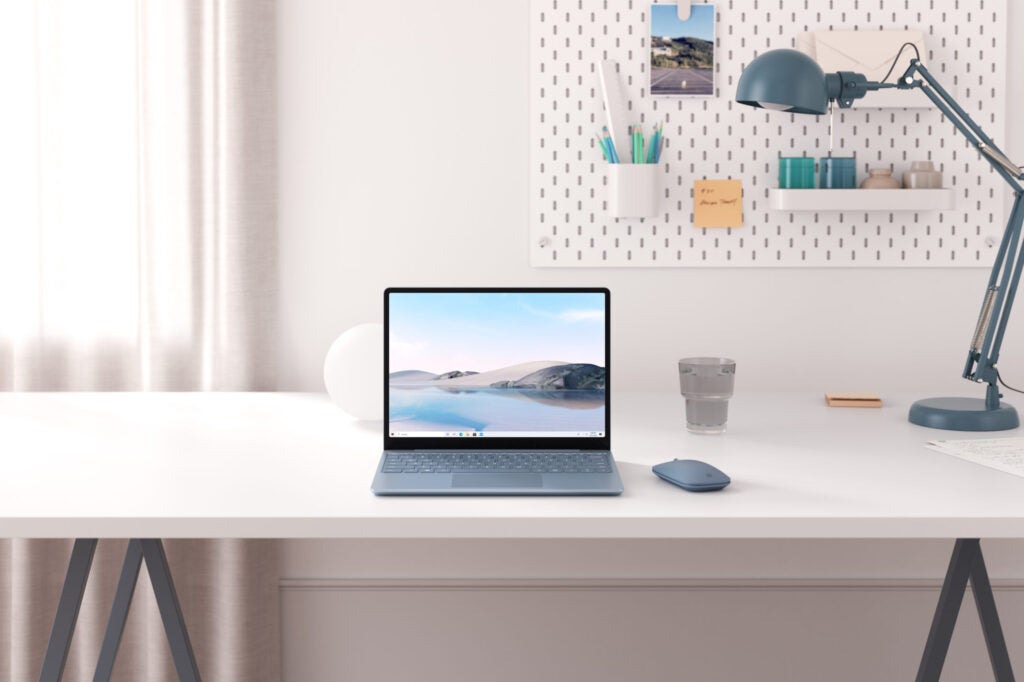
Microsoft launched two new devices this week: the Surface Pro X 2020 and the Surface Laptop Go. The latter caught our attention particularly, with the super-cheap £549 starting price almost half the cost of Microsoft’s next most affordable clamshell Surface laptop.
With a 12.5-inch screen, Intel Core i5 processor and ultra-portable design, the Surface Laptop Go has all the required specs to be an absolute belter of a bargain for those who just need a laptop for basic day-to-day tasks.
Of course, we can’t guarantee it’s quality before reviewing it, and we’ve got a few reservations about the stingy storage on the base model, but it’s nevertheless a welcome sign to see a major laptop manufacturer launching a product that’s half the cost of your typical ultrabook.
The Surface Laptop Go appears to be the start of a new trend, with rumours indicating Apple will soon follow suit with the 12-inch MacBook Arm. This could also be one of the very first Macs to feature the Apple Silicon, and so could well be a very tempting alternative to the Surface Laptop Go.
Either way, it’s an exciting time for the laptop industry, especially if you’ve felt that laptops have been becoming increasingly too expensive in recent years.
Related: Surface Laptop Go
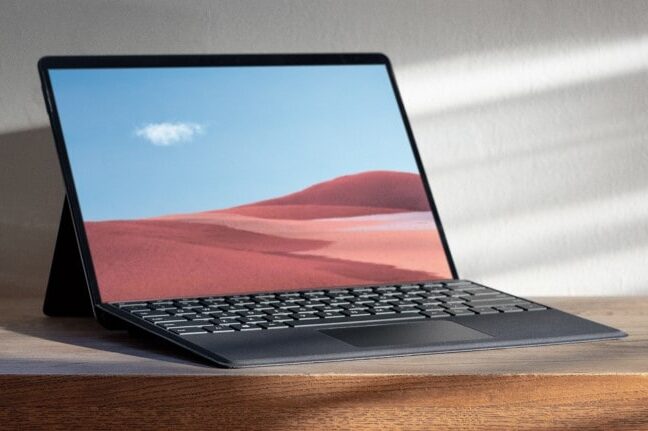
Losers: Surface Laptop and Surface Pro fans
Rumours previously indicated that Microsoft would launch the Surface Laptop 4 and Surface Pro 8 this month, which seemed very credible since Microsoft has traditionally provided annual updates to its hugely popular computing devices.
However, with Microsoft making no mention of the Surface sequels during the most recent announcements, it’s looking increasingly likely we’ll have to wait until 2021 for the new devices.
Microsoft insider Zac Bowden has confirmed as much, claiming the Surface Laptop 4, Surface Pro 8 and Surface Studio have all been pushed back to 2021.
This delay is particularly disappointing as it means Surface fans will have to wait a numerous of months before upgrading to the new Intel Tiger Lake (or potentially even the AMD Ryzen 4000) processors. Meanwhile, the likes of Acer, Dell and Lenovo are all set to launch laptops before the end of the year with the next-gen chips, providing new levels of performance power and battery efficiency.
Windows Latest claims the delays are due to “the economic crisis around the world”. It’s unclear whether this means Microsoft is struggling with the supply chain, or simply think it’s a bad time to be launching products that cost over a grand, although that didn’t stop the company shipping the Surface Pro X 2020 for £1549.
But while the delay is no doubt disappointing for Surface fans, it’s a very minor problem considering the current global affairs. There’s every chance Microsoft will launch its Surface sequels in the first half of 2020 instead, which really isn’t that far away. And if you’re really desperate for a new laptop, there are plenty of options available from the likes of Apple, Dell and Lenovo right now.
The post Winners and Losers: Microsoft launches bargain laptop, but delays Surface sequels appeared first on Trusted Reviews.
from Trusted Reviews https://ift.tt/3nfrhhE
Saturday, 3 October 2020
Fast Charge: Forget flashy iPhones, the Pixel 5 is the perfect phone for 2020

Google has just announced the Pixel 5 and while I am in no doubt many will bemoan the lack of ‘top-end’ specs, for me this is the perfect phone to launch during such a turbulent year.
The biggest news to come out of Google’s Pixel 5 launch was that it is no longer trying to compete at the high-end of the market with the likes of Samsung and its £1000+ Note 20 Ultra or Apple and its likely-to-be-equally-expensive iPhone 12 Pro.
Instead, Pixel 5 is far more modest. And at £599, it’s a far smarter buy for current times.
Even if the price is lower than many were expecting, there doesn’t seem to be much really missing. And in fact, by offering a smaller screen than just about all the Android completion, Google has instantly made the Pixel 5 stand out to those people (and I know A LOT of them) who simply don’t want a big, heavy phone.
Related: Chromecast with Google TV vs Chromecast Ultra
Google has rightly ditched its Soli radar chip that felt completely underutilized on the Pixel 4, but it’s kept the essence of what separates this from, say, a Xiaomi or countless other similarly-priced Android phones – simplicity.
The 90Hz screen remains, as does an IP68 rating and wireless charging (and reverse wireless charging, too). It’s got an OLED display which I expect to be great and, judging by Google’s marketing, far more of a focus on battery life. Often phones in this mid-range ditch these genuinely useful features for snazzier chips and too much RAM – but Google hasn’t.
The use of a mid-range chipset really shouldn’t be of concern to, well, barely anybody. The Snapdragon 765G has proven itself very capable both in terms of general performance and gaming skills in a load of phones we’ve reviewed this year. Google has also added in 8GB RAM which feels like the ideal amount and 128GB of storage – double that of the outgoing Pixel 4 and what we expect to sit in the upcoming iPhone 12. All the right decisions have been made.
Related: Pixel 4a 5G vs Pixel 5
And then we come on to the camera. Google didn’t dwell too much on the skills of the dual-camera array, aside from highlighting its low-light performance, but I think it’s the right move switching out a tele zoom lens for a wider one. Many other phones at this price – even excellent phones from OnePlus, Xiaomi and Motorola – just can’t compete when it comes to camera quality and if Google can outmuscle the big boys with a cheaper device then the package becomes even more enticing. Google hasn’t even tried to oversell itself by trying to cram useless tertiary cameras in, like a 5MP macro – a lot of other brands could learn a lot from this.
2020 has, so far, been a year of minimal changes in the smartphone and tablet space. We’ve seen very minor upgrades across the board and nothing overtly standout. With its new and very different approach, Google might finally found a phone that really resonates with a more savvy public and that’s a good thing for everyone.
The post Fast Charge: Forget flashy iPhones, the Pixel 5 is the perfect phone for 2020 appeared first on Trusted Reviews.
from Trusted Reviews https://ift.tt/36uV1l0
Sunday, 27 September 2020
Winner and Losers: Xbox ups its games while Nvidia RTX 3080 hunters come up empty

September has been a doozy of a month in the world of tech. Last week we saw Apple release a new iPad Air 4 and Apple Watch 6 plus numerous other goodies.
And this week the torrent of tech hasn’t stopped, with Amazon unveiling a new Echo 4, Ring Always Home Cam and Luna games streaming service, among other things.
Despite how good some of the Amazon tech looked, for us here at Trusted Towers, another tech company once again stole the spotlight. As always there was also a very clear loser in the world of shiny things.
Here’s who they are.
Winner: Microsoft makes a genius play in the next-gen war
Microsoft has been going from strength to strength launching its next-generation Xbox since it unveiled its super affordable Xbox Series S and confirmed that Game Pass will be part of its xCloud streaming service.
Which is why we thought it couldn’t do anything to top itself this week. We were wrong. This week Microsoft once again dominated the next-gen debate when it announced it was buying ZeniMax Media, the parent company of a little ol’ publisher called Bethesda.
To none gamers, this is quite frankly huge and a move none of us saw coming. Bethesda is one of THE names in games at the moment and the owner of key IPs including Elder Scrolls, DOOM, Dishonoured and Fallout. In short, games companies don’t come much bigger and more prestigious than Bethesda.
Though Microsoft’s confirmed it will leave Bethesda running as a distinct entity, the purchase could be used in numerous ways to give Xbox as a platform a leg up on the competition, either by giving it a cut of the games profits when they appear on other systems, or through exclusive games.
As a result, the purchase wins Microsoft a place as this week’s winner.
Related: PS5 vs Xbox Series X
Loser: PC gamers
This week, PC gamers had a hard time, with supplies of Nvidia’s truly next generation RTX 3080 graphics card not only disappearing in record time, but scalpers taking full advantage of the shortage.
When we last checked there were nefarious eBay retailers selling 3080s for the same, if not higher, price than a £1000-plus 3090. That’s over a 50% markup on the 3080’s RRP.
This is a massive shame because, as we noted in our Nvidia GeForce RTX 3080 review, the GPU is a HUGE step forward. During testing we found it’s a key step forward on the older 20-series.
It’s the first GPU that’s truly capable of 4K ray tracing gameplay at framerates over 60fps. As if that wasn’t impressive enough, it’s also cheap, by GPU standards with the Founders Edition we tested carrying a £649 recommended retail price.
The post Winner and Losers: Xbox ups its games while Nvidia RTX 3080 hunters come up empty appeared first on Trusted Reviews.
from Trusted Reviews https://ift.tt/3kQx1MT
Wednesday, 23 September 2020
LG K series: What you need to know about the new Pixel 4a rivals
LG has officially announced that it is expanding its K series with three new smartphones: the LG K62, LG K52 and LG K42.
With the K series, LG aims to deliver premium design and features at an affordable price point and the new handsets are set to be no exception.
All three new phones feature 6.6-inch HD+ FullVision displays with slim bezels. The K42 features a unique, colour-changing wave pattern on its rear, along with a UV coating to protect against marks and scratches. The K62 and K52 trade the wave pattern for a matte finish with its own unique, fingerprint-resistant optical pattern.
The K62, K52 and K42 are durable – designed to meet US military standards – and each model is packed with LG’s 3D Sound Engine for detailed, immersive audio.
The three phones pack quad-camera setups, with standard, ultra-wide, depth and macro sensors, along with a punch hole camera in the front. The K62 and the K52 feature 48MP main shooters, while the K42 includes a 13MP primary lens.
Other camera features include Flash Jump Cut which takes four photos to create fun stop-motion content, and AI CAM is capable of suggesting the best settings for any photo based on your subject. The camera also includes YouTube Live built in so you can create videos instantly.
As far as performance goes, the K series is packed with octa-core processors, along with a 4,000mAh battery for long periods of use.
Scroll down to see the full specs for each phone, along with release dates and how much we think the phones will cost.
Related: Best phone
LG K62
The LG K62 sits at the top of the line when it comes to these three releases. The main feature that sets the K62 apart from the other phones is its 28MP front camera and increased 128GB of ROM.
The K62 also includes the same 2.3GHz octa-core processor and 48MP standard camera as the K52 and comes in White and Sky Blue colour variants.
LG K62 full specs:
- Chipset: 2.3 GHz octa-core
- Display: 6.6-inch HD+ FullVision display
- Memory: 4GB RAM, 128GB ROM and microSD (up to 2TB)
- Rear camera: 48MP standard, 5MP ultra-wide (115°), 2MP depth and 2MP macro
- Front camera: 28MP
- Battery: 4,000mAh
- Operating System: Android 10
- Size: 165.0 x 76.7 x 8.4 mm
- Weight: 186g
- Connectivity: Wi-Fi, Bluetooth 5.0, NFC and USB Type-C
- Colours: White and Sky Blue
LG K52
The K52 sits in the middle of LG’s September K series line up. The K52 is packed with the same 2.3GHz octa-core processor and 48MP rear camera as the K62, with a lower 64GB of ROM and a slightly less impressive 13MP front camera.
The LG K52 is available in White, Blue and Red.
LG K52 full specs:
- Chipset: 2.3 GHz octa-core
- Display: 6.6-inch HD+ FullVision display
- Memory: 4GB RAM, 64GB ROM and microSD (up to 2TB)
- Rear camera: 48MP standard, 5MP ultra-wide (115°), 2MP depth and 2MP macro
- Front camera: 13MP standard
- Battery: 4,000mAh
- Operating System: Android 10
- Size: 165.0 x 76.7 x 8.4 mm
- Weight: 186g
- Connectivity: Wi-Fi, Bluetooth 5.0, NFC and USB Type-C
- Colors: White, Blue and Red
Related: Best Android phone
LG K42
The K42 sits at the bottom – and, presumably, more affordable – end of the K series line.
The phone features a 2.0 GHz octa-core processor, 1GB less RAM and a choice between 32 and 64GB ROM. The rear camera and front camera are also a bit less impressive at 13MP and 8MP, respectively.
The K42 features a unique, colour changing wave pattern and is available in Green, Gray, Red and Sky Blue.
LG K42 full specs:
- Chipset: 2.0 GHz octa-core
- Display: 6.6-inch HD+ FullVision display
- Memory: 3GB RAM, 32 or 64GB ROM and microSD (up to 2TB)
- Rear camera: 13MP standard, 5MP ultra-wide (115°), 2MP depth and 2MP macro
- Front camera: 8MP standard
- Battery: 4,000mAh
- Operating System: Android 10
- Size: 165.0 x 76.7 x 8.4 mm
- Weight: 182g
- Connectivity: Wi-Fi, Bluetooth 5.0, NFC and USB Type-C
- Colors: Green, Gray, Red and Sky Blue
When will the new K series be released?
The K62, K52 and K42 will be available in Europe from next month, followed by Asia, Latin America and the Middle East.
LG has yet to reveal a specific release date but, as the company made this announcement on September 23, we assume the new smartphones will hit shelves by the end of October.
Related: Best cheap phone
How much will the new K series cost?
LG has not revealed how much the K62, K52 and K42 will cost. Considering the K series usually lands on the budget end of the smartphone spectrum, we’d expect these phones to land somewhere in the sub-£300 region.
We’ll have to wait until the release date to find out the exact prices.
The post LG K series: What you need to know about the new Pixel 4a rivals appeared first on Trusted Reviews.
from Trusted Reviews https://ift.tt/32UpTsP
Sunday, 20 September 2020
Winners and Losers: Nvidia’s RTX 3080 bedazzles while the PS5 leaves gamers empty handed

It has been an exciting week in tech, with launch events coming and going at a frenzied pace that left even the most ardent of fans struggling to keep up.
We’ve seen everything from the new top of the line Oculus Quest 2 VR headset to the certainly unique dual-screen LG Wing hit the scene.
But in this sea of announcements for us here at Trusted Towers there have been two very clear winners and losers over the last 7 days.
Winner: The Nvidia GeForce RTX 3080
Nvidia’s new Ampere graphics card architecture oozed potential when it launched earlier this year. For those that missed it, Ampere is the follow up to Nvidia’s Turing GPU line of cards and on paper it is seriously impressive, bringing with it a number of key new technologies.
Highlights include a more efficient 8nm manufacturing process, upgraded RT Cores, third-gen Tensor cores and Micron G6X video memory (VRAM).
But this week we found the upgrade isn’t just cool on paper. Having gotten our hands on a Founders Edition RTX 3080, we can confirm the next-gen card is the GPU we’ve been waiting for.
We thoroughly put the 3080 through its paces, throwing every benchmark and test we could think of at it and can now confirm it delivers on pretty much every one of Nvidia’s bold performance claims.
Specifically, the RTX 3080 is the first card we’ve tested that’s truly capable of 4K ray tracing gaming at frame rates over 60fps. This makes it the best card on the market and a new benchmark for performance when gaming.
Related: Best GPU
Loser: PS5 buyers
This week Sony wowed, then expertly dashed, UK PlayStation fans hopes. Specifically, the firm lifted the lid on a number of key details about the PS5 we’ve been waiting donkeys’ years to find out. These included its launch titles, price, release date and pre-order details.
And while most of the news was awesome – the team has been outright salivating since we saw the new Demon Souls trailer – the firm’s pre-order strategy was a little disappointing.
Specifically, having promised it wouldn’t rush pre-orders and would ensure there was ample stock, Sony pushed the UK pre-orders live in the wee hours. This meant most buyers woke up to find every single retailer had already sold out of PS5s. As if this wasn’t bad enough, it also delayed the release so those that were lucky enough to get one will have to wait longer than US early adopters to get their mitts on it.
All-in-all it was a tough day for general PlayStation fans, earning them a place as this week’s loser.
Related: Best PS5 games
The post Winners and Losers: Nvidia’s RTX 3080 bedazzles while the PS5 leaves gamers empty handed appeared first on Trusted Reviews.
from Trusted Reviews https://ift.tt/3mBNTJ4
Sunday, 13 September 2020
Winners and Losers: The Xbox Series X wows while Apple leakers stumble over dates

It has been a busy week in tech. Google finally kicked off its Android 11 roll out starting with the company’s own Pixel phones, Bose launched a pair of true wireless earbuds to rival Apple’s AirPods Pro and, as we get closer to the next generation of gaming consoles, we saw plenty of rumours alluding to the PlayStation 5.
However, the most exciting news came in the form of a tweet (or a series of tweets) from the official Xbox account on Twitter. Microsoft has finally confirmed the existence of the Xbox Series S – and we were pleasantly surprised to hear how much it’ll costs to get our hands on one.
Meanwhile, we’ve been getting mixed signals from Apple tipsters this week as the rumour mill attempts to keep up with Apple’s elusive 2020 release schedule.
Winner: Microsoft
The Xbox Series S dominated gaming news this week, claiming the crown from Nvidia after last weeks massive Ampere launch.
Microsoft shared an official launch trailer for the Xbox Series S on the Xbox Twitter account on Tuesday, confirming not only the existence of the console, but design details and the specs the Series S is packed with in a series of tweets.
Xbox Series S
All-digital next-gen console
Faster load times
Higher frame rates
Richer, more dynamic worlds
Next generation gaming performance
In our smallest Xbox ever#PowerYourDreams pic.twitter.com/5GxCBiSVtO
— Xbox (@Xbox) September 8, 2020
The thread confirmed that the more affordable alternative to the next-gen Series X will feature the same CPU as its pricier sibling, with a less powerful GPU.
Other specs include an all-digital format, 1440p performance up to 120fps, a variable refresh rate, support for ray tracing, 4K upscaling and playback, custom NVME SSD, and a 60% smaller design compared to the chunky Xbox Series X.
Microsoft also unveiled a seriously enticing £249.99 price tag for the Series S, along with a £449 reveal for the Series X. Both consoles are set to launch November 10, with pre-orders kicking off September 22.
It seems Microsoft has really hit the mark with the Series S, offering an affordable option for gamers willing to make sacrifices to avoid splurging on a next-gen console, and we’re excited to see how it performs.
Loser: Apple leakers
Our hopes were raised (and promptly dashed) this week when Apple’s highly anticipated September 8 announcement turned out to be an invitation to a launch event and not a product unveiling.
Some leakers were dead set on Apple delivering its latest goodies to our screens this week, with reputable tipster Jon Prosser especially insistent.
Okay, guys. Last tweet of the night.
My sources are not budging or changing their mind.
They’re still telling me that Apple Watch and iPad Air are coming tomorrow via press release.
See you all in the morning to find out!
— Jon Prosser (@jon_prosser) September 8, 2020


Prosser lifted our expectations when he revealed that his sources were adamant the Apple Watch Series 6 and new iPad Air would land on Tuesday, sharing further evidence in the form of screenshots of unavailable smartwatches in the Apple Store.
On top of that, some tipsters believed we could see the iPhone 12 announced as early as this week. While this would fit with Apple’s usual release schedule, the company had already confirmed that the smartphone will suffer a short delay this year, making this rumour less likely from the start.
Looks like I was correct about there being a Press Release today, just not about what was in it.
GG @markgurman pic.twitter.com/vzj6TCnrD5
— Jon Prosser (@jon_prosser) September 8, 2020
As you’ve probably figured out by now, neither the Apple Watch nor the iPad made an appearance this week, with Apple instead sharing news of a launch event next week.
I am told Apple won’t announce the iPhone until October. This is for the iPad and Apple Watch in all likelihood. https://t.co/pw1oVXVoaL
— Mark Gurman (@markgurman) September 8, 2020
Thankfully, Apple tipster Mark Gurman seems to believe we’ll see the new Apple Watch and iPad next week so we might not have to wait long after all.
The post Winners and Losers: The Xbox Series X wows while Apple leakers stumble over dates appeared first on Trusted Reviews.
from Trusted Reviews https://ift.tt/2Zvrcfu
Sunday, 6 September 2020
Winners and Losers: Nvidia shows us the future of gaming, while Sony shuts out the past

September means IFA in the world of tech and, while plenty of companies have taken advantage of the trade show to make some major announcements, it was two gaming giants that caught our attention as our winner and loser this week.
Nvidia unveiled its exciting new range of GPUs this week, while Ubisoft let slip some disappointing news regarding the next-generation PlayStation console – to Sony’s delight, we’re sure.
Related: Best PC Games

Winner: Nvidia
Nvidia kicked off September with a massive update to its GeForce range of graphics cards. According to the company, the Ampere line is the biggest generational leap the series has ever seen, and it’s no wonder gamers are so excited about this announcement – this week marked the launch of the world’s first 8K-capable gaming GPU.
The company announced three new graphics cards coming to the GeForce line-up in 2020: The RTX 3070, the RTX 3080 and the 8K-capable RTX 3090. While the latter isn’t the most affordable GPU on the market – it’ll cost you £1399 to get your hands on the powerful graphics card – it is a pretty exciting sign of what is to come in the gaming industry.
The RTX 3090 will support 8K gameplay at 60fps, pushing it well beyond the demands of 4K. These specs might seem unnecessarily flashy at first glance. After all, many games aren’t ready to perform at such a high resolution and not everyone has a display at home capable of supporting it. That said, 8K is on it’s way and the RTX 3090 gives gamers an (admittedly pricey) option to future proof their PCs.
For those who can’t defend an 8K GPU just yet, the 4K-capable RTX 3080 costs £649, while the £469 RTX 3070 provides a more affordable alternative for anyone content with 1440p gaming for now. That isn’t even to mention the RTX 3060 rumoured to be emerging later on this year.
Regardless of which GPU fans opt for, Nvidia’s announcement gives us a good peak at what the future of gaming will look like.
Related: Best PS5 Games

Loser: Sony
While Nvidia gave us a glimpse at what’s in store for the future of gaming, Ubisoft accidentally confirmed that Sony will be shutting out some of its past – it’s PS1, PS2 and PS3 games, to be more specific. The third-party developer revealed that Sony’s next PlayStation console will not feature backwards compatibility for PS1, PS2 and PS3 games.
The news came to light through a now-deleted post on the Ubisoft support site. According to the studio, the PS5 will include backwards compatibility for “supported PlayStation 4 titles” but that it would “not be possible for PlayStation 3, PlayStation 2 or PlayStation games”. This blunder on Ubisoft’s part told us something that wasn’t a huge surprise, but could affect the PS5’s appeal.
While PS5 players will be stuck relying on PlayStation Now’s limited library of PS3 and PS2 games, Microsoft recently revealed that the Xbox Series X will be compatible with thousands of Xbox One, Xbox 360 and original Xbox games. Some of the latter are even set to receive a well-deserved HDR boost, despite being developed well before the existence of HDR.
The latest PS5 news doesn’t bode well for our nostalgia. Hopefully, it will provide some consolidation that the next-gen console will retain compatibility with over 4000 PS4 games, including almost all of the 100 top-ranked titles.
The post Winners and Losers: Nvidia shows us the future of gaming, while Sony shuts out the past appeared first on Trusted Reviews.
from Trusted Reviews https://ift.tt/3byymo1
Sunday, 30 August 2020
Winners and Losers: Samsung's iPad Killer and Disney Plus' questionable Mulan strategy

Another week, another bunch of brilliant and cringe-worthy headlines that we just couldn’t help but revisit. It could only be Trusted Reviews’ Winners and Losers.
Truth be told, this has actually been a rather positive week in the world of tech. The lovable Fall Guys has become the most downloaded game in PlayStation Plus history, and Fitbit’s move towards health and wellbeing tracking couldn’t be more timely. In the end though, we decided to hone in on Samsung’s truly gorgeous Galaxy Tab S7 Plus.
Because it’s such a positive week however, it was pretty easy to pick this week’s loser and the title goes to Disney Plus. More specifically, Disney’s VOD strategy for releasing Mulan which has some pundits (me included) scratching their heads.

Winner: Samsung Galaxy Tab S7 Plus
After the arrival of the Note 20 Ultra and the debacle surrounding Samsung’s Exynos chip, it seemed as though the tech giant might have missed the mark for 2020. That is, until we got our hands on the Galaxy Tab S7 Plus (try saying that five times after a couple of pints).
Unlike the Note 20, the Tab S7 Plus packs the superior Snapdragon 865+ chipset no matter where you buy it. Combine that with a sleek build, a 12.4-inch OLED display with a 120Hz refresh rate, and the glorious S Pen, and you’re looking at one of the best tablets in years.
Given that the market for high-end Android tablets isn’t quite what it used to be, Apple’s iPad range has managed to survive the last few years relatively unscathed, but with the Tab S7 Plus, Apple might have finally met its match.
Priced at £799, it’s clear that the Tab S7 Plus is competing with the iPad Pro 2020, but the display on Apple’s can’t really compete Samsung’s offering.
As if that wasn’t enough of a selling point, it’s still worth pointing out that Samsung’s tablet comes with the S Pen right out of the box. When it comes to digital drawing or note-taking, tablets are a far more comfortable option than phones, but the Apple Pencil is a sold-separately accessory, making the Tab S7 Plus seem like a bargain by comparison.
It’s rare to see such innovation on the tablet market, and there’s no denying that Apple has the superior app store, but Samsung’s high-end tablet could incite some genuine innovation from its competitor. There’s still so much more that could be done with tablet technology, but it’s great to see Samsung taking huge strides here in the right direction.

Loser: Disney Plus
To address the elephant in the room, 2020 has been an absolute mess for the film industry. Not only have productions been put on hold, but the closure of cinemas worldwide has completely skewed the intended release schedule across the board.
We’re now at a turning point where the success or failure of Christopher Nolan’s Tenet could be a significant indicator for the profitability of cinemas going forward. Disney on the other hand – a company accustomed to seeing billion dollar sums at the box office – isn’t taking any chances. The company’s next big release, a remake of 1998’s Mulan, will be going straight to VOD.
This isn’t the first time Disney’s done this, as its feature-length adaptation of Artemis Fowl went straight on to Disney Plus after lockdown kicked in. While Artemis Fowl was available to watch for all Disney Plus subscribers however, the company’s opting for a different tact with Mulan by charging £19.99 for access.
To be fair to Disney, that £19.99 price tag does buy you complete access to the film (as opposed to a timed rental), but it does feel as though the company’s trying to have its cake and eat it.
It seems a bit odd to ask paid subscribers to Disney Plus to open up their wallets once more for an additional film, and at a price that is noticeably higher than anything we’ve seen on the VOD market to date. Plus, because Mulan is a Disney film, there’s no doubt about where the film will end up once the ‘exclusivity’ period dies down. In essence, just wait a couple of months and it’ll be included in your Disney Plus subscription.
Again, this probably wouldn’t be as much of an issue if Disney had decided to simultaneously release Mulan in cinemas, but in avoiding your local multiplex, it seems as though the house of mouse is perfectly content with phasing cinemas out of the distribution process. Either way, it doesn’t set the best precedent going forward, but it has the potential to change the streaming industry as we know it.
The post Winners and Losers: Samsung's iPad Killer and Disney Plus' questionable Mulan strategy appeared first on Trusted Reviews.
from Trusted Reviews https://ift.tt/2GavmTs
Sunday, 23 August 2020
Winners and Losers: Flight Simulator soars while Oculus' Facebook overlords come calling

Want to know how the biggest names in tech fared this week but can’t be faffed with rummaging through the headlines? Trusted Reviews’ Winners and Losers has got you covered.
It has to be said that gaming is having a terrific time at the moment. Last week we highlighted Fall Guys – everyone’s new favourite battle royale – as the winner, but this week the world has been introduced to yet another banger in the form of Microsoft Flight Simulator (or Flight Simulator 2020 depending on who you talk to).
VR on the other hand, which you would’ve assumed might have emerged into a great new era as the world shut down, has simply been hit with another hurdle after Facebook’s interference. It might not be a deal-breaker for some, but for others, it’s just an irritating reminder of that one thing we wanted to forget, that Mark Zuckerberg can do whatever he wants with Oculus. Oh the humanity.
Winner: Microsoft Flight Simulator
To most of the general public, niche titles like Farming Simulator and Bus Simulator sound like a one-way ticket to an early bedtime, but to a few dedicated fans, these low-key games are like nectar. Well, for the first time it seems as though one of these titles has broken the mould, launching into the stratosphere to gain control of the zeitgeist. I am of course talking about Microsoft Flight Simulator.
The long dormant franchise has been revitalised for 2020, but instead of just being another entry tasking players with flying from point A to point B, this new Flight Simulator has an ace up its sleeve. The game uses Microsoft’s Azure cloud technology and true to life mapping data in order to give a realistic in-game representation of our very own planet. That’s right, a game now exists where you can travel the entire world.
While the technology isn’t perfect – Buckingham Palace has been turned into a block of flats – it’s still largely on the money, and the ability to fly above your childhood home offers a feeling unlike any other game out there.
There’s probably something to be said about the coincidentally brilliant timing of Flight Simulator’s release. Much like how Animal Crossing: New Horizons gave us a way to engage with friends at the start of lockdown, Flight Simulator now gives us a chance to remember the great outdoors and everything we’ve missed for the last 10 years five months.
Loser: Oculus
I’m sorry to say it folks, but the dream is over. Even though Oculus has been a key pioneer of VR technology in the modern age, its proponents have had to skim over the fact that Facebook has owned the company for a number of years.
Luckily this has been an easy enough task up until now, as users have been allowed to sign into an Oculus device with either an Oculus account or a Facebook one. Do you see where we’re going with this?
Unfortunately Facebook has ended the honeymoon period by forcing new users to sign in with a Facebook account, whilst also pressuring existing players to link their Oculus accounts with their social media ones. While the shift won’t take place until October, users run the risk of finding their headsets incompatible with certain apps in the future if they refuse to submit.
If you’ve got several Facebook Portals around the house and spend every minute of every day on the platform, then this might not seem so bad, but for the rest of us, it’s awful. Facebook’s reputation as a data guzzling monster has only grown more apparent in recent years, and the notion of it having access to something that encompasses your head feels like pure dystopian horror.
Sorry Oculus, we love your work, but I think it might be time we see other people.
The post Winners and Losers: Flight Simulator soars while Oculus' Facebook overlords come calling appeared first on Trusted Reviews.
from Trusted Reviews https://ift.tt/2QkeFXv